Source premium silver corrugated cable sleeve for Electronics, Industrial, Medical
Compare 21 listings of premium silver corrugated cable sleeve designed for electronics, industrial manufacturing, and medical equipment. Buyers can evaluate specifications including IP68 ratings, chemical resistance, and working temperatures ranging from -40°C to 170°C.
Key considerations
Products List


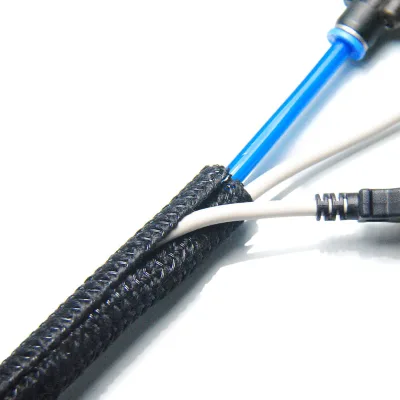


Comprehensive Sourcing Guide
Strategic Sourcing Guide for Premium Silver Corrugated Cable Sleeves
Understanding the Product Landscape and Technical Specifications
When sourcing premium silver corrugated cable sleeves, buyers must first distinguish between the various material compositions and structural designs available in the global market. The term "silver" in this context often refers to the visual finish of the outer layer, which can be achieved through specific manufacturing processes or material additives, rather than the inclusion of precious metals. Based on current market observations, the product category encompasses distinct models such as the FEP Corrugated pipe and the PA46 Silver bellows, each offering unique performance profiles.
The structural integrity of these sleeves is a primary differentiator. High-quality options feature a "Corrugated Both Inner and Outer" design, which provides superior flexibility and crush resistance compared to single-wall corrugation. This dual-structure design is particularly critical for applications requiring complex routing or exposure to mechanical stress. The material composition is equally vital. While some products utilize FEP (Fluorinated Ethylene Propylene) for its exceptional chemical and thermal properties, others rely on PA (Polyamide) or PA46 variants. PA46, specifically, is noted for its high-performance characteristics, often associated with the "Silver bellows" model designation.
Key technical attributes observed in the premium segment include a working temperature range that extends from -40℃ to as high as 170℃ for certain PA-based models, while others may be rated for -40℃ to 125℃ or -40℃ to 150℃. Buyers should verify the specific working temperature limits for their intended application, as exceeding these thresholds can compromise the insulation and structural integrity of the sleeve. Furthermore, the IP Rating is a crucial specification; while some listings indicate an IP68 rating, others specify usage for HDMI, DVI, and optical cables without a specific IP classification, suggesting that the rating may vary by model or application context.
| Product Attribute | Observation A (FEP Model) | Observation B (PA46 Model) | Observation C (General PA) |
|---|---|---|---|
| Material | FEP | PA46 | PA (Nylon) |
| Color | Black | Silver | Silver, Red, White |
| Working Temp | Not explicitly listed | -40~170℃ | -40 |
| Structure | Corrugated | Corrugated Both Inner/Outer | Corrugated |
| Flame Rating | Not listed | Hb | Not listed |
| Standard | 68mm, 810mm, 10*12mm | Custom | Nylon |
Compliance and Certification Verification Protocols
In the B2B procurement of industrial components, verifying compliance is not merely a formality but a risk mitigation strategy. The supply chain for premium cable sleeves often involves products carrying multiple certifications. Commonly observed certifications include ISO, RoHS, and CE. The presence of these marks indicates adherence to international quality management systems, restrictions on hazardous substances, and European safety standards, respectively. However, buyers must exercise caution; the presence of a certification claim on a product listing does not guarantee that every unit in a specific batch meets the standard.
The RoHS directive is particularly relevant for electronics and electrical fields, ensuring that the cable sleeves do not contain restricted hazardous materials such as lead, mercury, or cadmium. Similarly, the CE mark suggests conformity with health, safety, and environmental protection standards for products sold within the European Economic Area. For buyers operating in regulated industries like aerospace, defense, or medical equipment, the verification of these certifications must be rigorous. It is essential to request valid test reports or certificates of conformity directly from the supplier rather than relying solely on the product description.
Additionally, specific industry standards may apply. For instance, the standard QC/T29106-2014 is observed in the context of automotive or industrial cable protection, indicating a specific set of technical requirements for the product's dimensions and performance. Buyers should confirm whether the product they are sourcing aligns with this standard or other relevant industry-specific norms. It is also important to note that while some products list "custom" as their standard, others adhere to fixed dimensional standards like 68mm, 810mm, or 10*12mm. Understanding the regulatory landscape of the buyer's target market is essential to ensure that the selected sleeve meets all legal and safety requirements for the end application.
Cost Drivers and Pricing Dynamics
The pricing of premium silver corrugated cable sleeves is influenced by a complex interplay of material costs, manufacturing complexity, and order volume. The observed price range in the market spans from $0.05 to $50 per unit, a wide variance that reflects differences in material grade, length, diameter, and customization levels. The "premium" designation often correlates with higher material costs, such as the use of PA46 or FEP, which are more expensive than standard nylon or PVC alternatives. These high-performance materials offer superior resistance to chemicals, high temperatures, and UV exposure, justifying a higher price point for applications in demanding environments.
Order volume is another significant cost driver. The Minimum Order Quantity (MOQ) ranges from 1 to 1000 units, indicating that suppliers offer flexibility for prototyping and small-batch production while incentivizing larger orders through economies of scale. For buyers requiring custom specifications, such as specific diameters or lengths not covered by standard models, the MOQ may be higher, and the unit price will likely increase due to the setup costs associated with custom tooling and production runs.
Packaging and logistics also contribute to the final cost. Products are typically packed in bags, cartons, or film packages, with specific quantities per carton (e.g., 100pcs/carton). The choice of packaging can affect shipping costs, particularly for lightweight but bulky items like corrugated sleeves. Buyers should evaluate the total landed cost, including packaging efficiency and shipping logistics, rather than focusing solely on the unit price. Additionally, the origin of the product, often listed as Guangdong, China, can influence pricing due to regional manufacturing efficiencies and export regulations.
Typical Applications and Performance Requirements
The versatility of silver corrugated cable sleeves makes them suitable for a diverse array of industries, each with unique performance requirements. In the electronics and electrical field, these sleeves provide essential insulation and protection for wiring, including HDMI, DVI, and optical cables. The low friction coefficient of the inner surface facilitates easy cable installation, while the excellent electrical insulation properties prevent short circuits and ensure signal integrity.
In the industrial manufacturing field, the durability of the sleeves is paramount. The observed attributes of excellent chemical resistance and high-temperature resistance make them ideal for protecting cables in harsh environments where exposure to oils, solvents, or extreme heat is common. The good aging resistance and UV resistance further extend the lifespan of the cable assemblies in outdoor or semi-outdoor industrial settings.
The new energy field, including electric vehicles and renewable energy systems, demands components that can withstand vibration, temperature fluctuations, and mechanical stress. The high flexibility and excellent aging resistance of PA46 and FEP models are particularly valuable here. In the aerospace and defense field, the lightweight nature and high-performance characteristics of these sleeves are critical for weight-sensitive applications where reliability is non-negotiable. Similarly, in the medical equipment field, the ability to maintain sterility and resist chemical cleaning agents is essential, making the corrosion and chemical resistance of the sleeves a key selection criterion.
Supplier Evaluation and Sourcing Strategy
Selecting the right supplier requires a thorough evaluation of their capabilities, particularly regarding customization and quality control. The availability of OEM and ODM services is a strong indicator of a supplier's flexibility and ability to meet specific buyer requirements. Buyers should assess whether the supplier can accommodate custom dimensions, colors (such as the observed black, silver, red, and white options), and specialized packaging needs. The "Customization: Available" attribute suggests that many suppliers are open to tailoring products to specific project needs.
Geographic location is another factor to consider. Many suppliers are located in Guangdong, China, a major manufacturing hub known for its efficiency in producing plastic and rubber products. However, buyers should verify the supplier's ability to meet lead times and manage logistics effectively. The observed lead times and production capacities can vary significantly, so establishing clear communication channels is essential.
When evaluating suppliers, buyers should look for evidence of a robust quality management system. This includes adherence to ISO standards and the ability to provide traceability for materials used. The presence of certifications like RoHS and CE should be verified through documentation. Additionally, the supplier's experience in serving specific industries, such as aerospace or medical equipment, can be a valuable indicator of their technical expertise and reliability.
Quality Control and Long-Term Procurement Considerations
Ensuring consistent quality is critical for long-term procurement success. Buyers should implement a quality control strategy that includes pre-production samples, in-process inspections, and final product testing. Key quality metrics to monitor include dimensional accuracy, material consistency, and performance under stress. The observed specifications, such as the working temperature ranges and flame retardant grades (e.g., Hb), should be validated through independent testing to ensure they meet the buyer's requirements.
Long-term procurement considerations also involve building a resilient supply chain. Buyers should diversify their supplier base to mitigate risks associated with supply disruptions, such as raw material shortages or geopolitical issues. Establishing long-term contracts with reliable suppliers can provide stability and potentially better pricing. Furthermore, buyers should stay informed about industry trends and technological advancements that may impact the performance and availability of cable sleeves.
Sustainability is becoming an increasingly important factor in procurement. Buyers should inquire about the environmental impact of the materials used and the supplier's commitment to sustainable manufacturing practices. The availability of recyclable materials and the supplier's adherence to environmental standards can enhance the buyer's corporate social responsibility profile.
Conclusion
Sourcing premium silver corrugated cable sleeves requires a balanced approach that considers technical specifications, compliance, cost, and supplier reliability. By understanding the nuances of different material types, such as FEP and PA46, and verifying certifications and standards, buyers can make informed decisions that align with their specific application needs. The wide range of applications, from electronics to aerospace, underscores the importance of selecting a product that offers the right combination of flexibility, durability, and protection. Through rigorous supplier evaluation and a focus on quality control, buyers can secure a supply chain that delivers consistent performance and value over the long term.
FAQs
What certifications do premium silver corrugated cable sleeves typically hold?
These sleeves commonly hold ISO, RoHS, and CE certifications. Buyers should verify specific test reports for their intended industry, as not every listed product satisfies all standards simultaneously.
Which material options are available for silver corrugated cable sleeves?
Available materials include FEP, PA46, and general PA (Nylon). Each material offers distinct properties, such as FEP for chemical resistance or PA46 for high-temperature performance up to 170°C.
Can these sleeves be customized for specific industrial applications?
Yes, customization is available for dimensions, colors, and packaging. Suppliers offer OEM and ODM services to meet specific project needs like the 6*8mm or 8*10mm standard sizes.
What is the working temperature range for these cable protection sleeves?
Working temperatures range from -40°C to 170°C depending on the model. Some PA-based models are rated for -40°C to 125°C or -40°C to 150°C, so verify the specific limit.
Where are these premium corrugated sleeves typically manufactured?
Most products originate from Guangdong, China. This region is a major manufacturing hub for plastic and rubber products, offering efficiency in production and export logistics.
How flexible are these sleeves for complex cable routing?
The sleeves feature excellent flexibility with a corrugated inner and outer structure. This dual design provides superior crush resistance and ease of installation for complex cable paths.